You don’t need a motor club membership to request roadside help in Springfield. Pay-per-use assistance lets you handle one incident without starting a subscription. It can cover a dead battery, flat tire, lockout, empty tank, or needed tow.
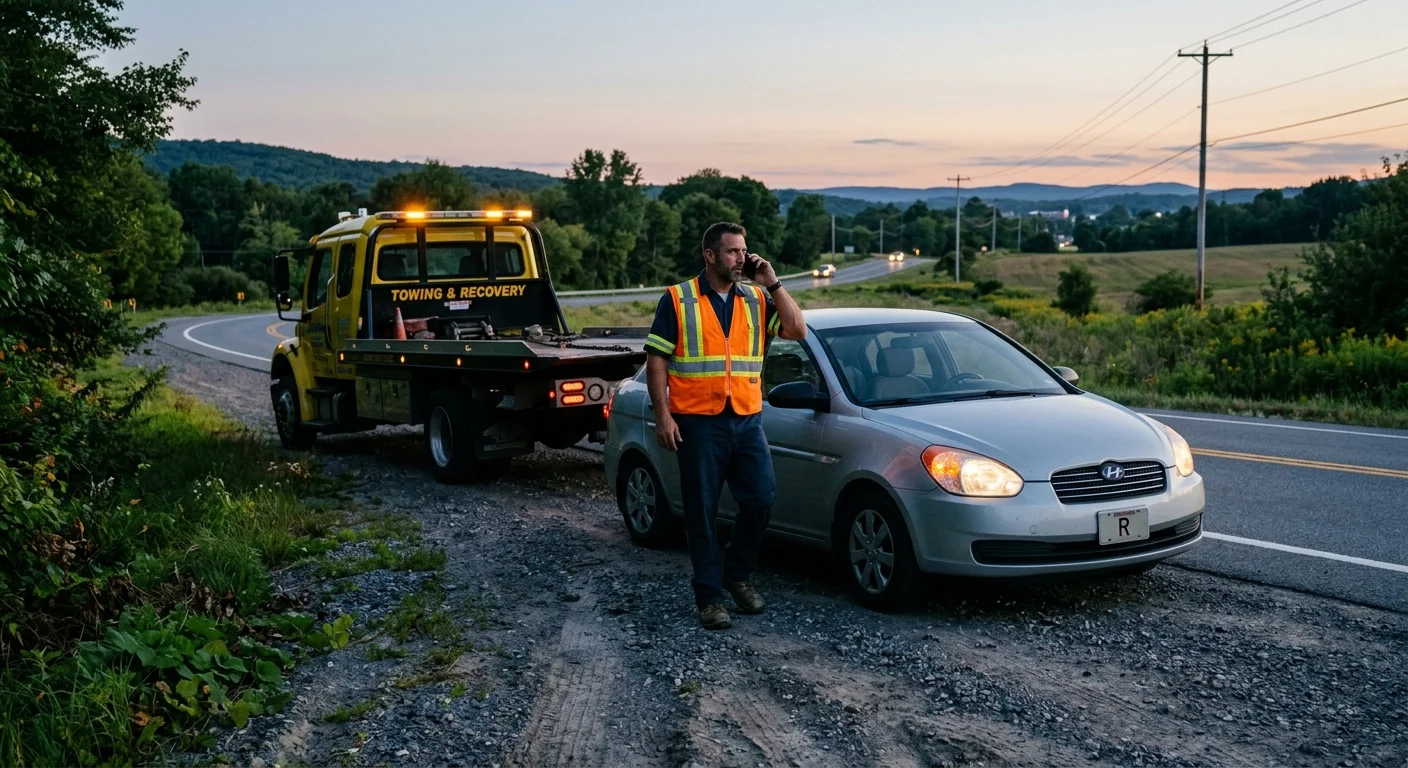
Yes, and here is how pay-per-use works
Pay-per-use roadside help is a one-job arrangement. You request help and describe what happened. An independent operator explains the proposed service and sets the price. You then decide whether to authorize dispatch.
There’s no club enrollment or recurring membership required. Our no-membership roadside service connects Springfield-area drivers with independent local operators. The line takes calls 24 hours a day, every day.
Quick Tow Springfield is a referral service. We don’t own trucks or employ drivers. The operators in our network set their own prices. Get the price before anyone is dispatched, then confirm what that price covers.
A clear request prevents confusion. Tell us whether the car needs a jump, tire change, lockout service, fuel delivery, or towing. If you aren’t sure, describe the symptoms instead of guessing. The operator can determine what equipment the job requires.
Location also affects the request. Downtown Springfield has a street grid and nearby cross streets. I-44 and US-65 require a direction, exit, and mile marker. Roads outside Nixa, Ozark, Republic, and Webster County may need a dropped map pin.
Some incidents begin as roadside assistance but end with a tow. That can happen when the vehicle won’t restart or can’t move safely. Ask how a change in service would affect the price before approving it.
MoDOT also operates a scheduled Motorist Assist and Emergency Response patrol on Springfield-area freeways. It’s a courtesy patrol, not a call-out towing service. Don’t assume it will be available for your incident.
What you may already have and forgot about
Check your existing benefits before buying a new membership. You may already have access through an auto insurance policy, credit card, vehicle warranty, lease, or dealer service plan. Coverage isn’t automatic, so read the current terms.
Missouri doesn’t require insurers to include towing or roadside assistance. Any such coverage is optional and depends on your policy. Our guide to insurance coverage for towing explains that distinction.
Start with your insurance declarations page or policy app. Look for terms such as roadside assistance, towing and labor, or emergency road service. Then contact the insurer to confirm whether the benefit is active. Ask how service must be requested.
A credit card may advertise roadside benefits, but the details vary. Check the card’s current benefit guide. Confirm whether assistance is included, arranged at a negotiated price, or handled through reimbursement. Don’t assume the card covers every vehicle or driver.
New-car warranties and service plans also have their own rules. Check the vehicle paperwork or manufacturer account. Confirm the covered period, eligible services, distance limits, and required contact method. A benefit may require you to use its designated dispatch channel.
Ask these questions before relying on any benefit:
- Is this vehicle covered right now?
- Must the provider arrange the service?
- Is there a service or distance limit?
- Do I pay first and request reimbursement?
- What receipt or paperwork is required?
If the benefit can’t be confirmed, pay-per-use help remains an option. Save any receipt, but don’t assume reimbursement will follow. Only the insurer, card issuer, manufacturer, or plan administrator can confirm its terms.
When a membership is worth it and when it isn’t
A membership isn’t automatically cheaper or more useful. Its value depends on the annual dues, covered drivers, eligible vehicles, service limits, and where you travel. Those terms can change, so read the current agreement.
Pay-per-use help often fits a driver with an immediate problem and no active plan. It can also make sense when roadside incidents are rare or another policy already provides limited benefits. You’re paying for the present request, not a future service package.
A membership may fit drivers who expect repeated roadside needs. It may also suit households with several eligible drivers or frequent travel outside Springfield. The deciding factor is whether the actual plan matches those needs.
Compare the full membership cost with the services you expect to use. Check towing-distance limits, covered incidents, household rules, vehicle exclusions, and renewal terms. Don’t choose based only on the advertised dues.
Timing matters during an active breakdown. A newly purchased membership may have rules about when benefits begin. That point couldn’t be confirmed across providers because each company sets its own terms. Ask the provider before enrolling and expecting immediate service.
Local driving patterns matter too. A short trip near the Missouri State University campus differs from regular travel along I-44. The US-65 route toward Branson creates another pattern. Drivers using gravel roads or Ozarks countryside routes should check geographic exclusions carefully.
Price comparisons should use the same service details. A towing request and a battery jump aren’t interchangeable. Our guide to lower-cost roadside assistance choices explains what to compare before dispatch.
What to have ready when you call
Good information helps the operator understand the request. Start with your exact location. Share a street address, business name, cross street, exit, mile marker, or map pin.
On I-44, give your travel direction and nearest exit. Around the Kansas Expressway interchange, specify the ramp or roadway where you stopped. On US-65 near Nixa, Ozark, or the Branson corridor, don’t rely on a city name alone.
For rural roads, include the road name and nearest numbered route. Mention gravel, mud, a narrow shoulder, a steep grade, or a low-water crossing. Those details help the operator decide what vehicle and equipment the job needs.
Next, provide the vehicle’s year, make, model, color, and current condition. Mention whether it’s all-wheel drive, electric, oversized, carrying a trailer, or sitting with damaged wheels. Don’t guess if you don’t know. Share what you can verify.
Describe the problem in plain language. Say what happened before the vehicle stopped. Mention dashboard warnings, smoke, leaking fluid, collision damage, a clicking starter, or complete electrical loss. Don’t keep trying to start a vehicle that smells like fuel or shows signs of fire.
For a flat tire, say whether the spare and wheel-lock key are present. For a lockout, say whether a child, vulnerable person, or animal is inside. For a jump-start request, mention any visible battery damage or heavy corrosion.
If towing may be needed, know your preferred destination. Confirm that the repair shop, home, or other property can receive the vehicle. Ask the operator what payment methods are accepted before dispatch.
Personal safety comes first. If there’s a crash, injury, fire, or vehicle exposed to active traffic, call 911. Stay away from moving traffic while you share your location.
What Missouri requires of the company that shows up
Missouri law sets requirements for towing companies. These rules matter most when an operator tows or stores your vehicle. A roadside-only visit may end before storage becomes relevant.
Under RSMo 304.154, a towing company must have a visible business address. It must maintain secure, lighted storage and publish its rate sheets. It must also carry at least $500,000 in liability coverage.
The statute requires customer availability for at least ten hours each weekday, excluding federal holidays. It also requires a phone that operates around the clock. These are requirements for the towing company, not claims that Quick Tow Springfield owns a storage facility.
Ask for the operator’s company name before dispatch. Confirm the proposed service, price, payment method, and towing destination. If storage may be involved, ask for the storage address and current rate sheet.
Missouri also requires a towing company to notify an owner of the vehicle’s location within 24 hours after contact. A company must give notice before transferring a vehicle between storage lots. Insurance adjusters must be allowed free inspection access during normal business hours.
Those rules don’t create a statewide price cap. Missouri law doesn’t set one statewide towing price. Local governments may set maximum charges in specific settings, while consensual roadside jobs depend on the operator’s disclosed price.
Keep the operator’s name, receipt, and service details. If a legal or billing question arises, compare that paperwork with the current Missouri statute. Don’t rely on a rule quoted from another state.
When to call us
Call when the car won’t move, roadside work feels unsafe, or the problem may require towing. The line takes calls 24 hours a day, and calls are recorded after a notice so we can line up an independent local operator. Call us at (417) 221-8911.