Cheap roadside assistance in Springfield only counts as cheap if it covers the roads you actually drive. A low annual price can cost more when a breakdown happens beyond its tow limit.
What cheap roadside assistance in Springfield actually buys
Roadside assistance handles problems that may not require a repair shop. Common requests include jump-starts, lockouts, fuel delivery, tire changes, and towing. The exact services depend on the provider and your agreement.
Start by separating the advertised price from the usable coverage. One plan might include a service you need but limit where it applies. Another may cover fewer situations while offering more useful towing terms. Neither choice is automatically cheaper for every Springfield driver.
Your normal route matters. A student commuting near Missouri State University has different needs from someone driving between Springfield and Republic. The same applies to drivers traveling through Nixa, Ozark, or Webster County. A plan suited to city streets may become less useful farther into the Ozarks.
Read the exclusions before paying. Check whether the plan covers your vehicle type, normal passengers, and the places you visit. Ask about unpaved roads, low-clearance vehicles, trailers, and incidents outside the immediate metro. Don’t assume every roadside plan handles every recovery.
Also confirm whether towing is included or merely arranged. Those aren’t the same benefit. Ask who sets the destination, how mileage is calculated, and what happens after any included allowance ends.
If you need help now, a yearly plan may not solve today’s breakdown. Our guide to getting roadside help without AAA explains the pay-per-call option. You can also review our local roadside assistance services before deciding.
Membership, insurance rider, or pay per call
Springfield drivers usually encounter three ways to arrange roadside help: a membership, an insurance add-on, or a pay-per-call service. Compare how each one works, not just its headline price.
A membership charges for access during its coverage period. The contract controls which vehicles, drivers, services, roads, and destinations qualify. It may also set usage or mileage limits. Those details can change, so read the current terms before buying or renewing.
An insurance rider attaches roadside coverage to an auto policy. Missouri doesn’t require towing or roadside-assistance coverage. It’s optional, and the insurer’s policy language controls what’s covered. Check your declarations page and endorsement rather than relying on a general website summary.
Ask the insurer how a roadside request affects your policy record. Also confirm whether it sends help directly or asks you to seek reimbursement. Don’t assume the process works like a motor club membership.
Pay per call means arranging help when the problem occurs. There’s no annual plan to compare, but the operator still sets the job price. With Quick Tow Springfield, you get that number before anyone is dispatched. The operator may consider the vehicle, location, destination, road conditions, and required equipment.
This option can make sense for someone who rarely needs assistance. It can also help when a membership doesn’t cover the incident. Drivers comparing immediate towing can read our guide to tow costs without AAA in Springfield.
Before choosing, check any roadside coverage already included with your insurance or vehicle agreement. Confirm it directly with the company that issued the contract. Don’t pay twice for overlapping benefits you won’t use.
MoDOT Motorist Assist covers the freeway, and only the freeway
The MoDOT Motorist Assist and Emergency Response Program is a free freeway courtesy patrol. It’s based at the Transportation Management Center of the Ozarks, which MoDOT and Springfield operate together.
This is a scheduled patrol, not a roadside service you dispatch like a tow operator. It helps manage freeway incidents and provides roadside protection around stopped vehicles. It doesn’t tow a disabled car to your home, mechanic, or body shop.
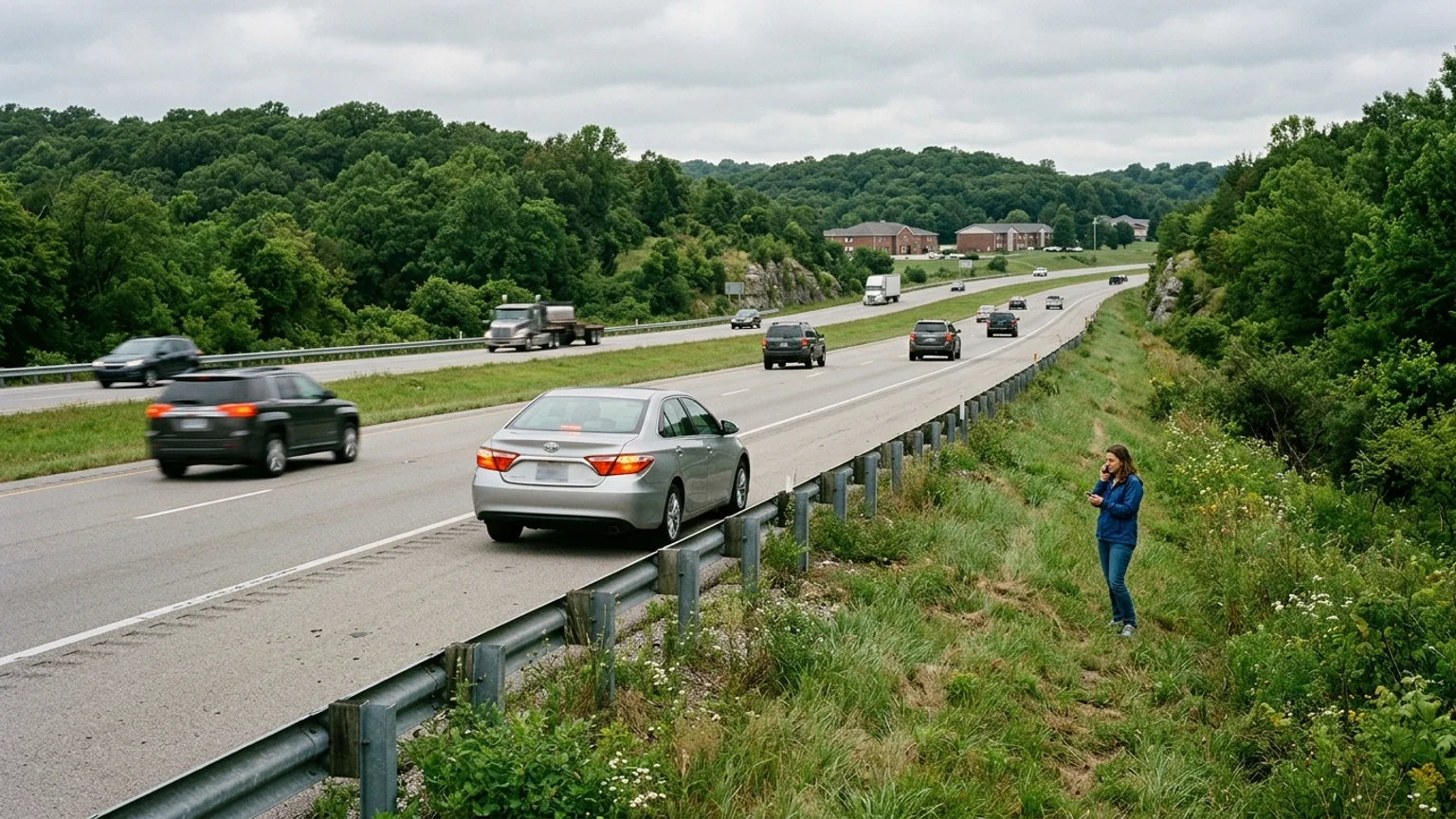
That distinction matters on I-44 and US-65. Finding a courtesy patrol near your stopped vehicle doesn’t replace a towing plan. You may still need an independent operator once the immediate freeway problem is stabilized.
Springfield also has a separate volunteer Motorist Assist Program through the Springfield Police Department. That city program has operated since April 2014. Its volunteers provide roadside cover and visibility, not towing. Don’t confuse it with MoDOT’s state freeway patrol.
MoDOT’s Southwest District covers 14,889 lane miles and 1,850 bridges. Springfield-based Motorist Assist staff handled 3,260 incidents across 21 counties during 2022. Those figures show the size of the road system, not a promise that a patrol will reach any particular driver.
Check the MoDOT Traveler Information Map before traveling. It shows current traffic, cameras, work zones, and reported incidents. During a breakdown, stay away from moving traffic and follow instructions from emergency personnel.
Drivers stranded on I-44 should also read our guide to what to do after breaking down on I-44. It covers the immediate steps before roadside help arrives.
Mileage caps are where Ozarks distance bites
Distance often decides whether a roadside plan is genuinely cheap. Springfield sits at the center of routes that quickly stretch beyond city streets.
A breakdown near downtown, Glenstone Avenue, or Kansas Expressway may leave several nearby destination choices. The calculation changes on US-60 toward Aurora or Monett. It also changes on US-65 while returning from Branson.
Branson draws roughly 9 to 10 million visitors yearly. That traffic makes the Springfield-to-Branson corridor familiar, but familiarity doesn’t shorten the tow. A plan with a small included mileage area may leave much of that trip outside its useful range.
The same problem appears across Greene, Christian, and Webster counties. Drivers in Nixa and Ozark use US-160, US-65, and connecting roads differently from drivers in central Springfield. Rural destinations may also involve gravel roads, narrow shoulders, or low-water crossings.
Before buying a plan, ask exactly where tow mileage begins. Some contracts may calculate it differently. You need the provider’s written answer, not a salesperson’s shorthand.
Then identify realistic destinations. If your car stops south of Ozark, would you want it taken toward Springfield, Branson, or a nearby shop? If you break down near Monett, does your preferred destination fit the agreement? The cheapest plan on paper may be poor value if it doesn’t cover that trip.
Also check whether the plan restricts destination choice. A nearby approved facility may be covered while your chosen mechanic isn’t. Confirm what happens after any included mileage ends and who collects the remaining charge.
For a current breakdown, give the operator both endpoints before dispatch. The starting location alone can’t define the job. Your vehicle, destination, road access, and required equipment all affect the operator’s price.
Five questions to ask before you pay for a year
A short contract review can expose expensive gaps. Get each answer in writing when possible.
1. How is tow mileage measured?
Ask where mileage starts and ends. Confirm whether the calculation covers the disabled vehicle’s trip, the operator’s travel, or another distance. Don’t rely on the phrase “included towing” without a definition.
2. Which roads and locations are excluded?
Ask about interstates, parking garages, private lots, gravel roads, and low-water crossings. Include any regular routes through Greene, Christian, or Webster County. If you travel toward Branson or Monett, name those trips directly.
3. Who and what does the plan cover?
Some coverage follows a person, while other coverage may follow a listed vehicle. The contract should answer that. Confirm coverage for motorcycles, trailers, rental vehicles, and additional household drivers when relevant.
4. What happens when the included benefit ends?
Ask who sets the extra charge and when you’ll receive that number. Check whether you can approve or decline the additional service before dispatch. If the provider can’t confirm a current figure, ask for the written method used to calculate it.
5. Can you choose the destination and operator?
Destination rules can matter more than the annual price. Confirm whether you may select a repair shop or must use an approved location. Ask whether you can request your own operator and seek reimbursement.
Save the contract and current roadside contact instructions somewhere accessible. A document stored only inside the disabled car may not help during a lockout. Keep a digital copy and review it at renewal, since terms can change.
When to call us
Call when a jump, tire change, lockout, or safe roadside fix isn’t practical, or when the car must be moved. We’ll take the details, match you with an independent local operator, and provide the operator’s price before dispatch. Call us at (417) 221-8911.