Missouri tow-away sign requirements are why a small “No Parking” placard won’t hold up on a private lot. To remove a vehicle without a police order or a statutory wait, a compliant sign has to stand at every entrance. The details sit in RSMo 304.157, and each one matters.
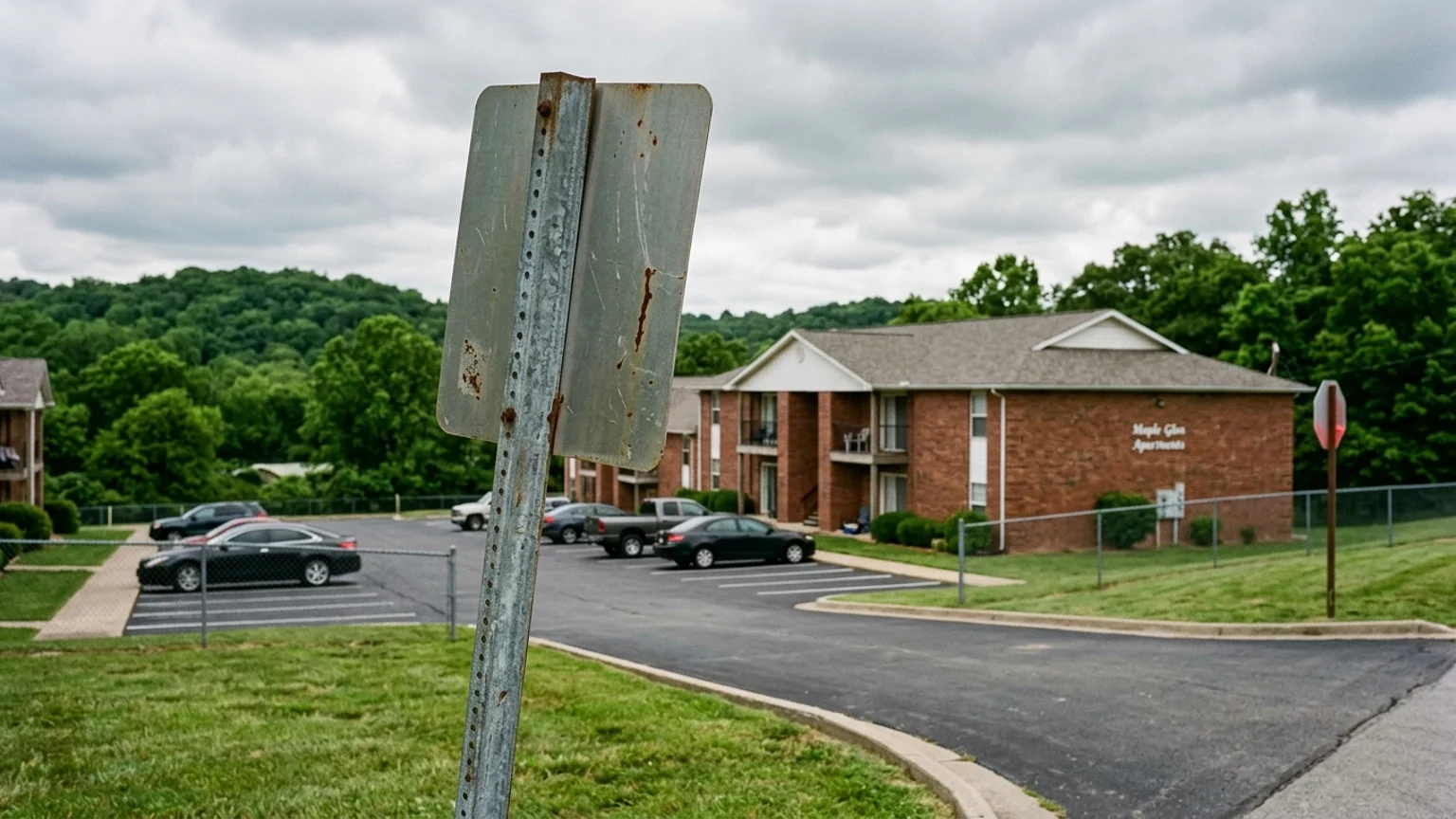
Missouri tow-away sign requirements: the four lines
The signed-lot route appears in RSMo 304.157. It allows removal without a police order or waiting period when compliant signs stand at every entrance. The property owner must still give written authorization for the tow.
Think of the required message as four practical lines:
- Unauthorized vehicles may be removed at the vehicle owner’s expense.
- The maximum towing fee must be disclosed.
- The maximum storage fee must be disclosed.
- A phone number must provide the vehicle’s location.
Those points describe the required content, not mandatory wording. A property owner can choose a clear layout. The warning still needs every required disclosure.
The statute doesn’t create a statewide dollar cap for towing or storage. Missouri lets local governments set maximum charges. No separate Springfield maximum for private-property towing was confirmed in the approved source record. Confirm the current local rule with the City of Springfield before printing a fee.
The independent operator also needs to provide its actual maximum charges. Quick Tow Springfield doesn’t set that amount. A blank space, “current rate,” or “call for price” doesn’t disclose a maximum.
The location number also needs careful checking. It must let the vehicle owner learn where the vehicle was taken. Don’t substitute an unrelated property-office line that can’t provide that information.
For ongoing parking enforcement, review our private property towing service after the signs and authorization process are ready. The operator can then review the requested removal under Missouri law.
Size and lettering, measured
Missouri sets two physical measurements. Each sign must be at least 17 by 22 inches. Its lettering must be at least one inch high.
“At least” matters. A smaller panel doesn’t meet the stated minimum. Neither does compliant wording printed in smaller type. Measure the finished sign instead of trusting a product name or website category.
Placement matters just as much. RSMo 304.157 requires signs at all entrances. Walk the property and identify every entrance a vehicle can use. A sign beside the main driveway doesn’t cover a second entrance left unmarked.
That check looks different across Springfield Metro. A Commercial Street lot may have street and alley access. A downtown lot may connect with another parking area. A Battlefield Road retail property may have more than one driveway. An MSU-area apartment manager should check secondary gates before move-in week.
The same rule applies beyond Springfield. A church lot in Nixa or Ozark may use separate entrances during different parts of the week. Check each vehicle entrance before arranging enforcement.
The approved source record doesn’t confirm a required mounting height, color, material, reflective finish, or exact sentence. Don’t present a design preference as Missouri law. Check the current statute and any applicable city sign rules before installation.
Keep dated photos of every finished sign. Capture its wording, dimensions, lettering, location, and the entrance it covers. These photos don’t replace legal compliance, but they create a useful record if someone disputes the signage later.
No compliant sign means you wait: 10 hours or 96
A missing or deficient sign doesn’t always prevent removal. It changes the legal path and adds a waiting period.
Missouri provides two unsigned-property routes:
- At an owner-occupied residential property with four units or fewer, law enforcement must be notified and 10 hours must pass.
- At any other private property, law enforcement must be notified and 96 hours must pass.
Each part matters. A property owner can’t treat the police notification as permission to skip the wait. The smaller residential rule also doesn’t apply merely because a building contains four units. The property must be owner-occupied.
A business, church, retail lot, or larger apartment property falls under the other-private-property route when compliant signage is absent. That means the 96-hour period applies after the required law-enforcement notification conditions are met.
Springfield Police won’t tow from an apartment or rental lot at a landlord’s request unless the vehicle creates a genuine hazard. Landlords are directed to use the private-tow process instead. That makes proper signs and written authorization especially important for apartment managers.
A compliant sign removes the 10-hour or 96-hour wait. It doesn’t erase the other requirements. The property owner still provides written authorization. The tow still needs the required report, and the towing operator remains responsible for vehicle damage.
This page concerns nonconsensual removal from private property. A driver asking to move their own disabled vehicle needs a Springfield towing service instead. Different consent and reporting rules apply to that situation.
Don’t order a removal when the chosen legal path remains unclear. Pause and check RSMo 304.157 or consult a Missouri attorney.
The report that has to reach police within two hours
Signage isn’t the final paperwork step. Missouri also requires an Abandoned Property Report using Department of Revenue Form 4669.
For a tow from a properly signed lot, the report must reach the appropriate police agency within two hours. For a removal using an unsigned-property waiting period, the reporting deadline is 24 hours. Inside Springfield city limits, that report goes to Springfield Police.
Don’t confuse the earlier law-enforcement notification with Form 4669. On an unsigned property, notification is part of the route that permits removal after the applicable wait. The abandoned-property report documents the tow afterward.
Before anyone is dispatched, make sure the operator understands which deadline applies. Agree on who will confirm delivery to the correct agency. A missed handoff can leave the property owner without a clean record.
A simple property file can help. Keep the written authorization, sign photos, entrance photos, vehicle description, parking location, relevant times, and operator information together. This working file doesn’t replace Form 4669 or create legal compliance by itself. It helps preserve what happened.
Apartment managers should also give staff one clear procedure. A leasing-office employee shouldn’t improvise during a late-night parking dispute. Church volunteers in Nixa or Ozark need the same clarity when an unfamiliar vehicle remains after an event.
The sign’s listed phone number should guide the vehicle owner to the vehicle’s location. If a driver needs help understanding what happens next, share our guide for a car towed from private property in Springfield.
What it costs a property owner to get this wrong
The consequences go beyond replacing a deficient sign. A violation of RSMo 304.157 is classified as a class C misdemeanor. A current fine amount wasn’t confirmed in the available primary-source record, so property owners should confirm monetary exposure with a Missouri attorney or the court handling the matter.
RSMo 304.158 adds civil and criminal consequences. An unauthorized removal can result in four times the damages. A knowing violation is a class A misdemeanor. “Damages” shouldn’t be casually rewritten as four times the tow bill.
Written authorization from the property owner is required. Keep it with the property file before the operator removes the vehicle. If the legal owner is a company or organization, confirm who can sign for it instead of guessing.
The towing company is liable for damage caused during the tow. That doesn’t make poor instructions harmless. Document the vehicle’s condition and exact parking position before removal when it’s safe to do so.
Missouri also limits what happens when the vehicle owner returns. If the owner reclaims the vehicle before actual removal, half the regular charge applies. Springfield Police policy is more owner-friendly before hookup, with no charge before the vehicle is hooked up.
Before requesting a tow, confirm four points:
- Every entrance has a compliant sign, or the correct waiting route was followed.
- Law enforcement received any required advance notification.
- The property owner’s written authorization is ready.
- Form 4669 has a clear delivery plan and deadline.
If one answer is uncertain, stop and verify it. Property owners can also review our guide to towing rights in Springfield to understand the vehicle owner’s side of the process.
When to call us
Once the signs, waiting rule, report plan, and written authorization are settled, removal isn’t a do-it-yourself job. We can line up an independent local operator, and the line takes calls 24 hours a day with calls recorded after a notice. Call us at (417) 221-8911.